Learning in Denmark: Careers, Sustainability and Society in Practice
Author: Eva Kavková, EKS
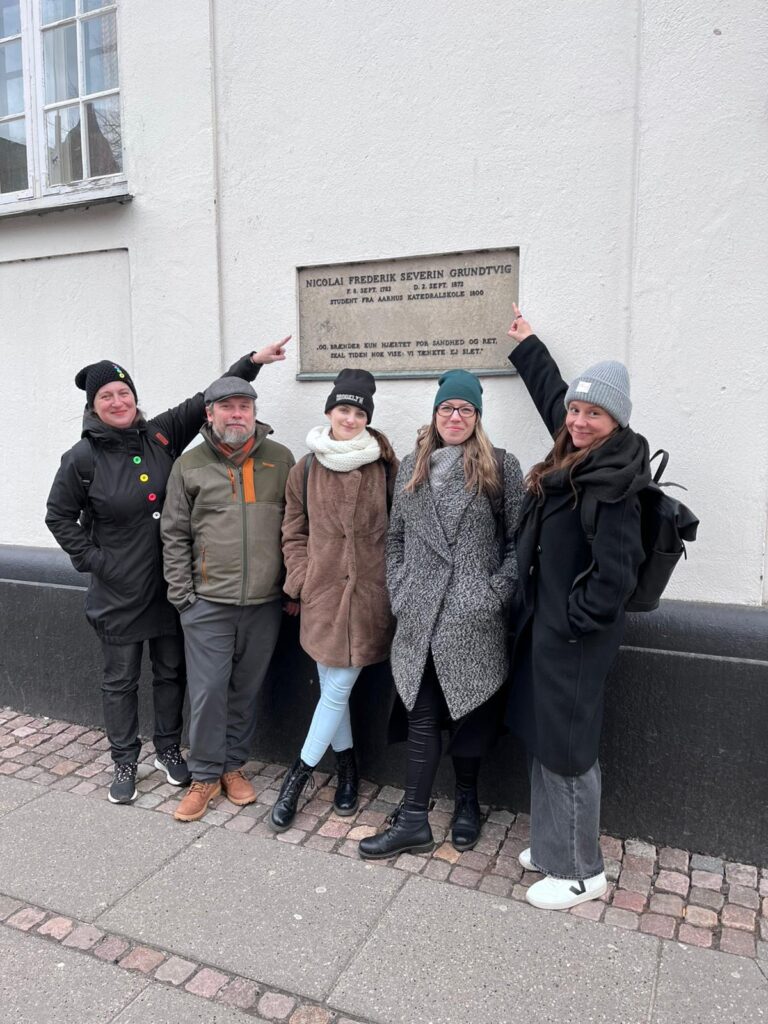
What does sustainable career guidance actually look like in practice? And what can we take from it into our own work?
At EKS, we believe that meaningful career guidance grows through exchange, curiosity, and a willingness to learn from those who are further ahead. That belief is what took us to Denmark.
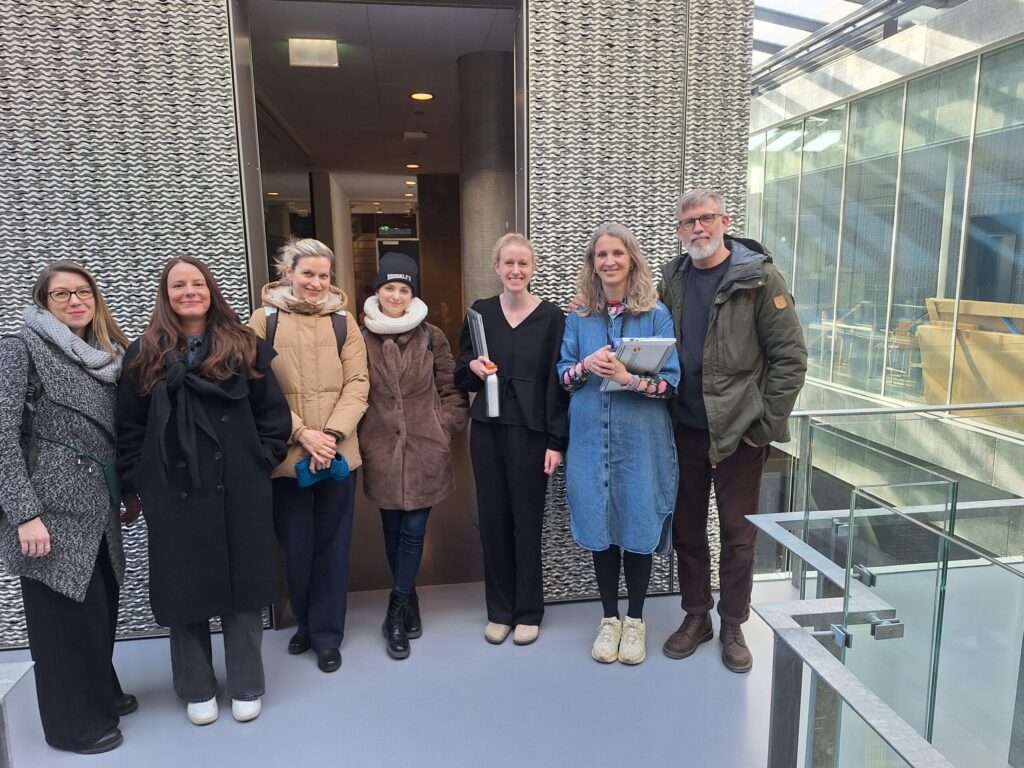
As part of the Erasmus+ programme, we spent a week in Aarhus job shadowing Miriam Dimsits – a career counsellor, lecturer and assistant professor at VIA University College. Miriam’s work focuses on a question that is still emerging in many contexts: how can career guidance meaningfully respond to sustainability? During our visit, we explored organisations that bring together education, career development and sustainability in ways that were not only inspiring, but at times unexpectedly powerful.
Observing Miriam’s work gave us a grounded sense of how these ideas translate into practice, how they are taught, debated and gradually embedded into the training of future counsellors.
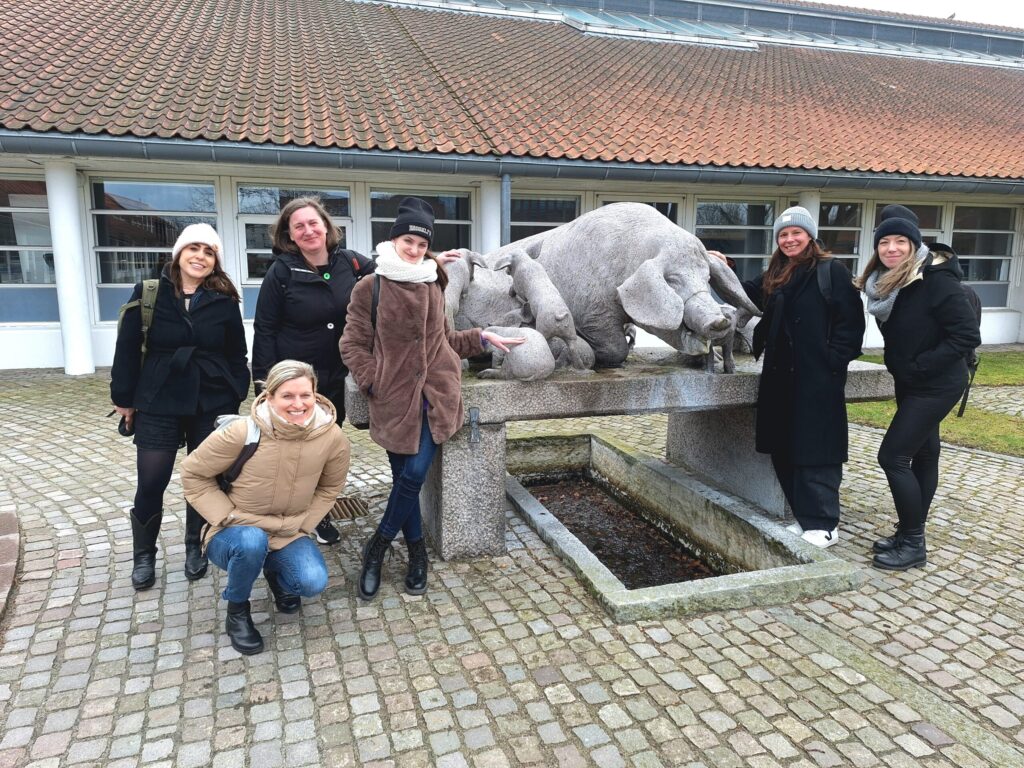
We visited a wide range of settings – from a university and a non-profit organisation to a farm, a community café and an innovation centre. Despite their differences, they all shared a common perspective: career choices matter not only to individuals, but to society and the environment as well.
VIA University College: Looking beyond the footprint
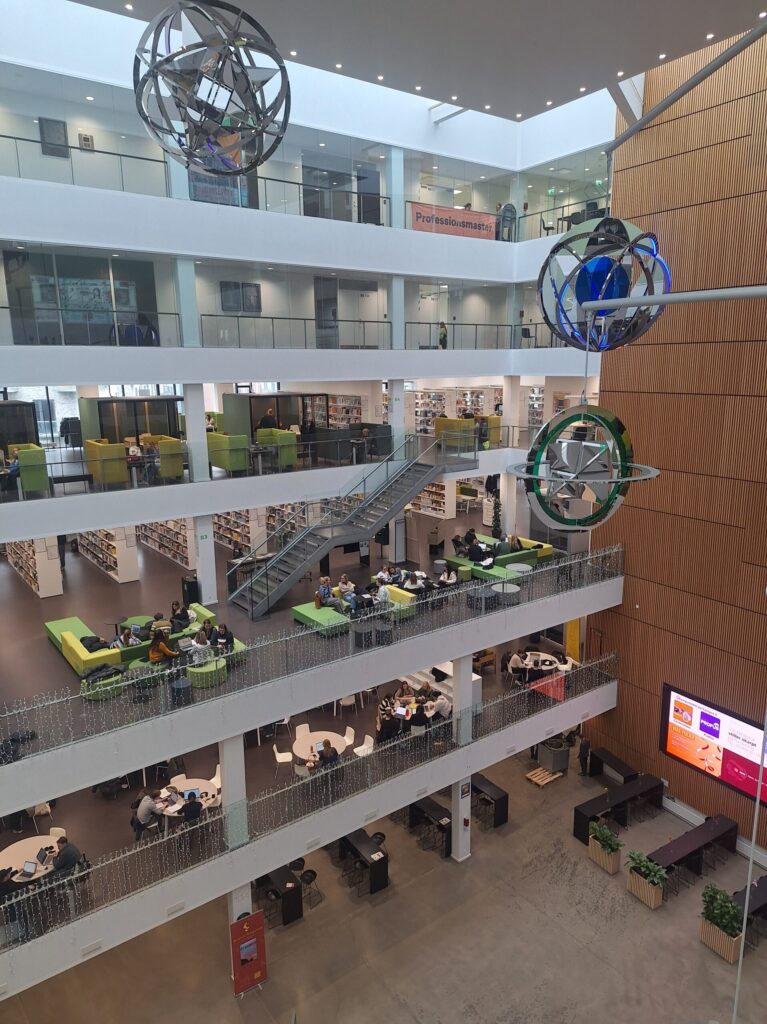
At VIA University College, we met Camilla le Dous, Programme Manager for Green Transition, and gained insight into what driving institutional change actually involves. She walked us through the university’s Climate Action Plan – from strategic planning to the everyday decisions that shape how the institution operates.
One idea stood out immediately: “We look not only at our footprint, but also at our handprint.” While the footprint focuses on reducing negative environmental impact – such as emissions or energy use – the handprint captures something equally important: the positive influence students and staff carry into their professional and personal lives.
Camilla’s role clearly goes far beyond the strategy. It is about connecting people, coordinating efforts and making change happen across the whole VIA institution. Dozens of colleagues are involved in implementing the Climate Action Plan – and this shared ownership is reflected in results, with up to 90% of targets recently achieved.
She also highlighted the importance of language. In some parts of Danish society, there is already a sense of fatigue around the “green agenda”, which is why the framing is shifting – from green to sustainable to responsible. Communicating these topics in ways that resonate with different audiences is now an essential part of Camilla’s work.
What we took away was not just an example of how one university operates, but a clearer picture of what it means to lead green transition – aligning strategy, daily practice and people across a complex system.
Architectural Technology: Learning sustainability by doing
As a part of our study visit, we have also visited the Architectural Technology study programme and found it surprisingly relevant for career guidance and career education. Sustainability is not treated as an add-on here, but as a core principle woven throughout the entire programme.
Teaching is based on a constructivist approach. Instead of receiving ready-made answers, students work with real-life challenges and develop their own solutions. This encourages critical thinking, independence and responsibility for both learning and future career paths.
The same philosophy is reflected in students’ support. Learners are actively encouraged to take ownership of their decisions and navigate their educational journeys with increasing autonomy.
Project work plays a central role. Students rotate through different roles – designer, project manager, contractor – gaining insight into multiple perspectives and learning to take responsibility for outcomes.
Sustainability is embedded in concrete ways – through circular construction principles, working with existing materials, and assessing the environmental impact of designs using tools such as Life Cycle Analysis or the “waste pyramid”.
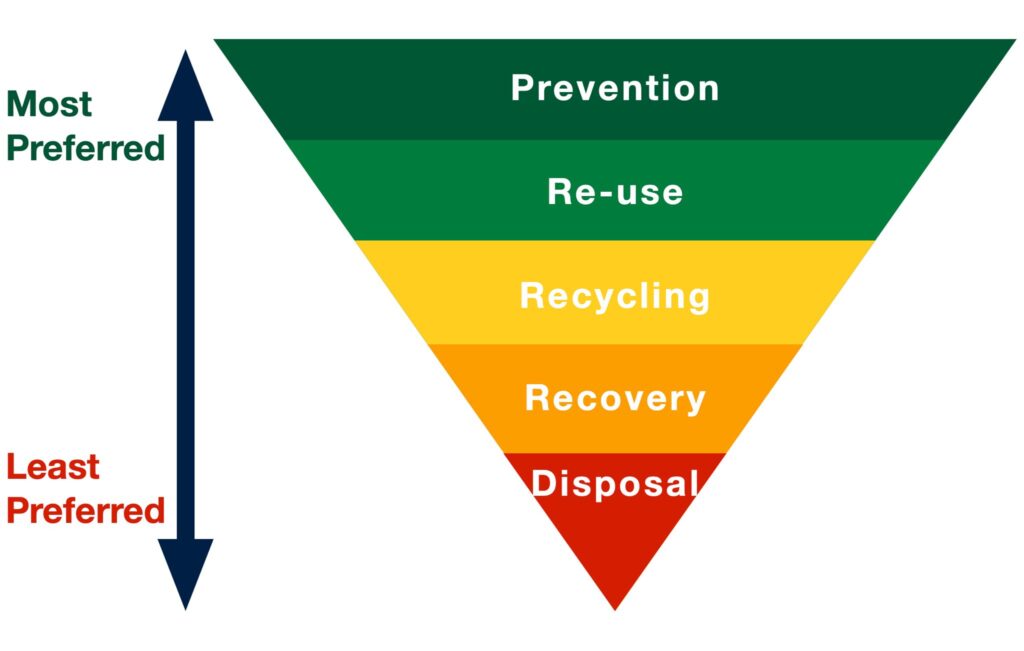
A 20-week placement then connects theory with real-world practice, followed by a final bachelor’s project integrating knowledge and experience. Graduates leave with a strong combination of technical expertise, creativity and a sustainability mindset, and the ability to shape the built environment responsibly.
Rethinking support for young people at risk
Paradigma Skiftet (Paradigm Shift) is a non-profit organisation working with young people who have left or been excluded from education, often due to mental health challenges or other serious circumstances, but who remain motivated to find their way back.
Their six-month programme is built around empowerment and active participation. Participants work on both individual and group projects designed to shift how they see themselves, from passive recipients of support to active creators of their own paths.
The approach focuses on strengths rather than deficits, helping participants rediscover their capabilities and build a more sustainable life beyond the programme. At the same time, their work often creates tangible benefits for the wider community through partnerships with local organisations and municipalities.
From a career guidance perspective, the emphasis on agency is particularly striking. Career change here is not about choosing a job – it begins with changing how people relate to themselves and what they believe is possible. Equally important is the shift in identity. Participants are no longer framed as “disadvantaged”, but as individuals working towards a shared goal.
Green Academy: Creating opportunities where none existed
What happens when a job centre, an educational provider and local companies come together around sustainability? The result is the Green Academy, a model we had the chance to observe in action.
The programme is aimed at unemployed graduates with an interest in sustainability but no prior experience in the field. Over five weeks, participants develop foundational knowledge and skills – from CO₂ calculations and circular economy principles to ESG, sustainable business practices and communication.
This is followed by a four-week placement in local companies, which actively participate in the programme. Each organisation hosts up to three trainees, who support the early stages of “green transition” – for example by:
- analysing emissions and energy use
- identifying opportunities for circular solutions
- developing sustainability action plans
- supporting ESG reporting and communication
The results speak for themselves – across 13 programme cycles, 90 companies and 20 public organisations have been involved. A total of 330 participants have completed the programme and now contribute to sustainability in their professional and personal lives, becoming, as the programme puts it, “agents of change”.
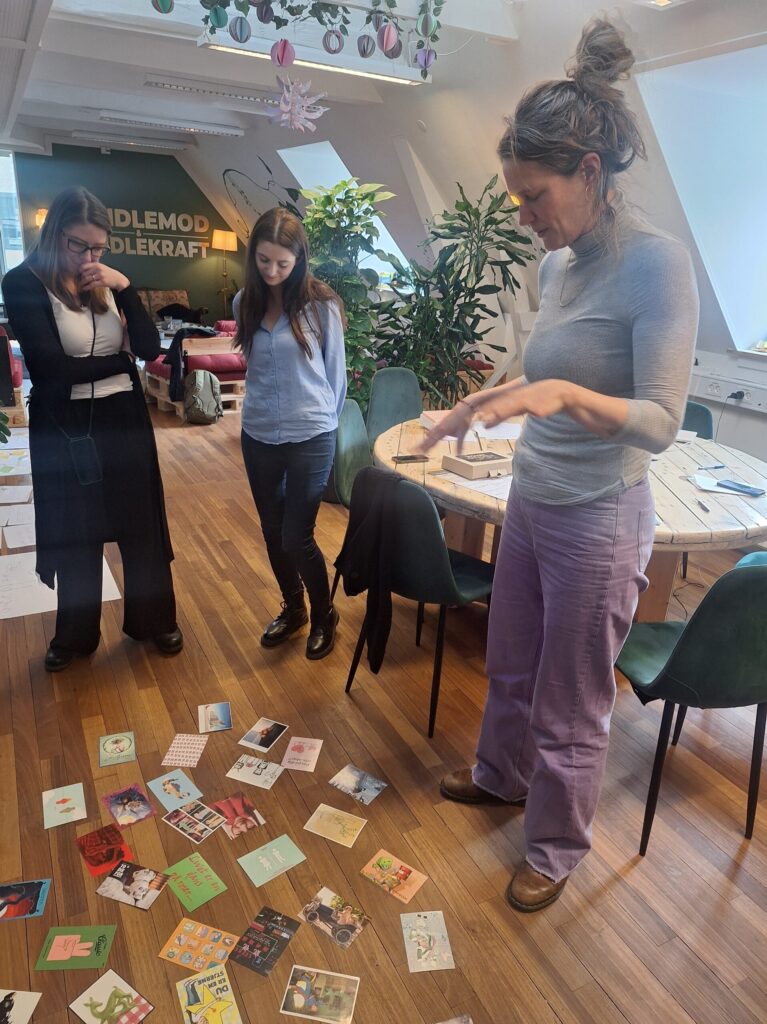
For career guidance, this is a powerful example of how reskilling, career transition and labour market innovation can come together. It shows that entirely new roles can emerge and that sustainability competencies can enrich career paths across sectors.
Kolind: Community, belonging and the value of repair
In Kolind, we experienced community work through the organisation Grønt Kros (Green Cross), and it left a lasting impression. In a small, unassuming café, we encountered a group of people whose lives had taken difficult turns. Yet what stood out was not hardship, but a strong sense of belonging, respect and mutual support.
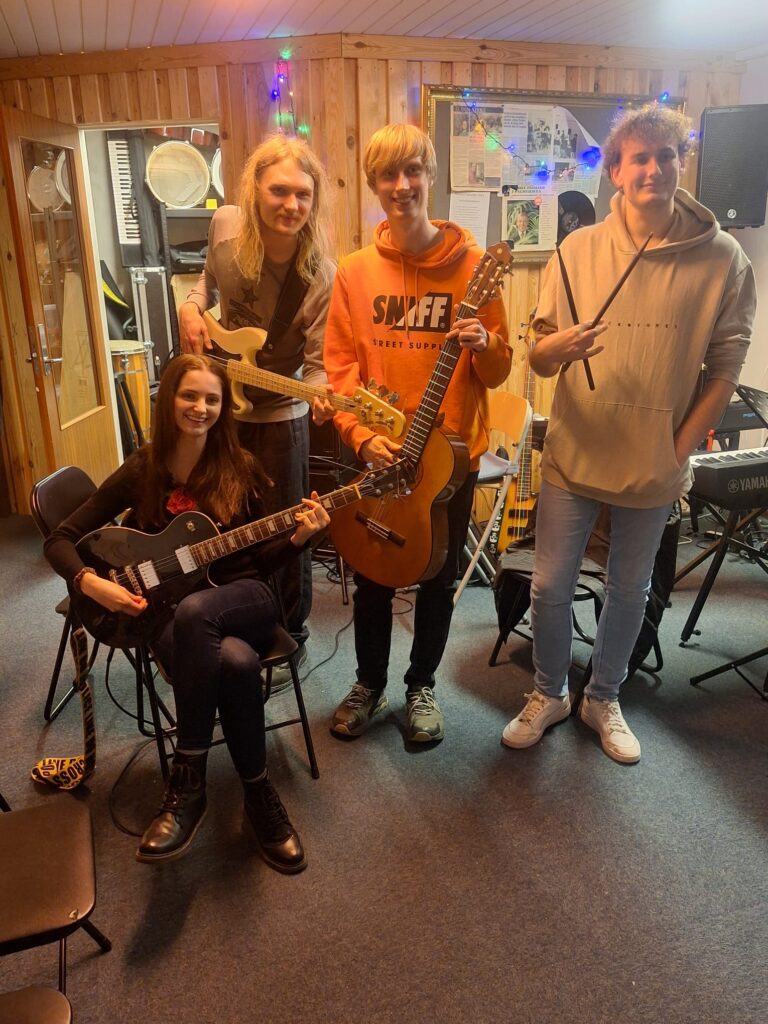
People contribute in different ways – working in the café, playing music, performing – gradually rebuilding confidence and resilience.
At the same time, difficult questions surfaced. What happens when this support is no longer there? And from those facilitating the space: Am I doing enough? What if I step away? These questions highlight something essential: support is needed on both sides. For those in helping professions, supervision, mentoring and peer support are vital.
The café also hosts a Repair Café, where items are fixed rather than discarded, either by visitors themselves or by a small team of older volunteers. It is a simple yet powerful expression of sustainability: conserving resources, strengthening community and creating meaningful roles.
SEGES Innovation: Facilitating change together
At SEGES Innovation, we saw how research, technology, agriculture and public actors can be brought together to address sustainability challenges in practice.
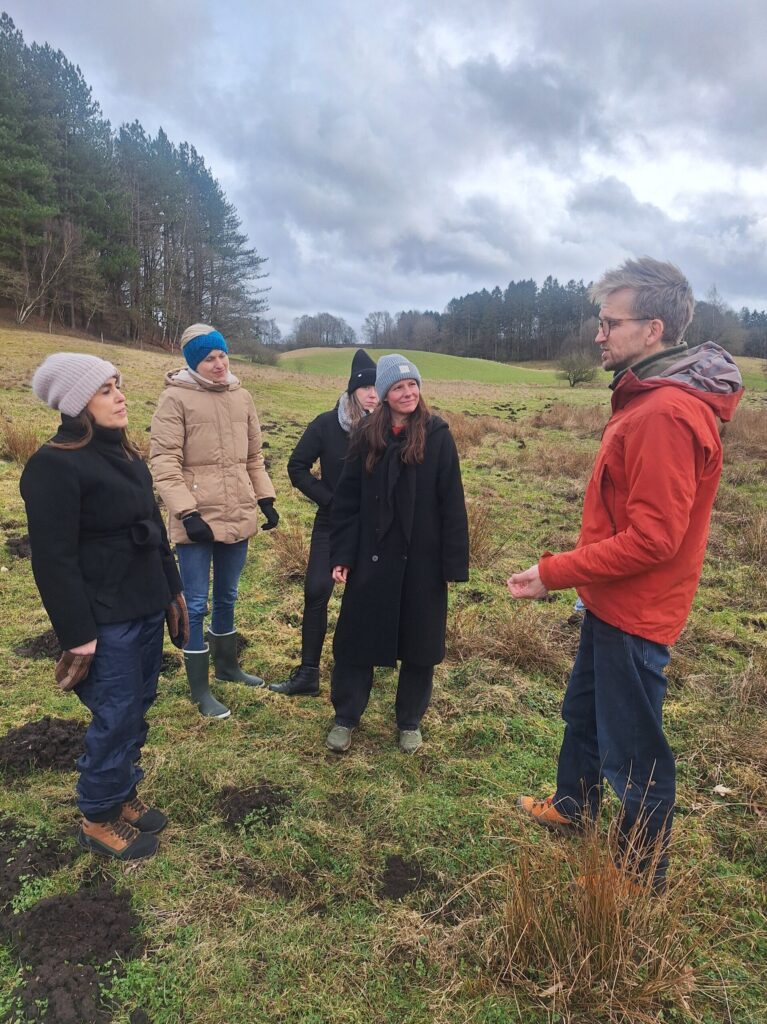
We observed facilitators working with farmers – not by prescribing solutions, but by creating space for collaborative problem-solving. Using data and evidence, they explore the real impacts of climate change on the landscape and support farmers in finding workable responses.
For us, this closely mirrored the process of career guidance. It echoed the DOTS framework: understanding one’s situation, exploring options, connecting insights and making informed decisions. We also saw how new roles are emerging at the intersection of sustainability – in facilitation, research, advisory work and cross-sector collaboration.
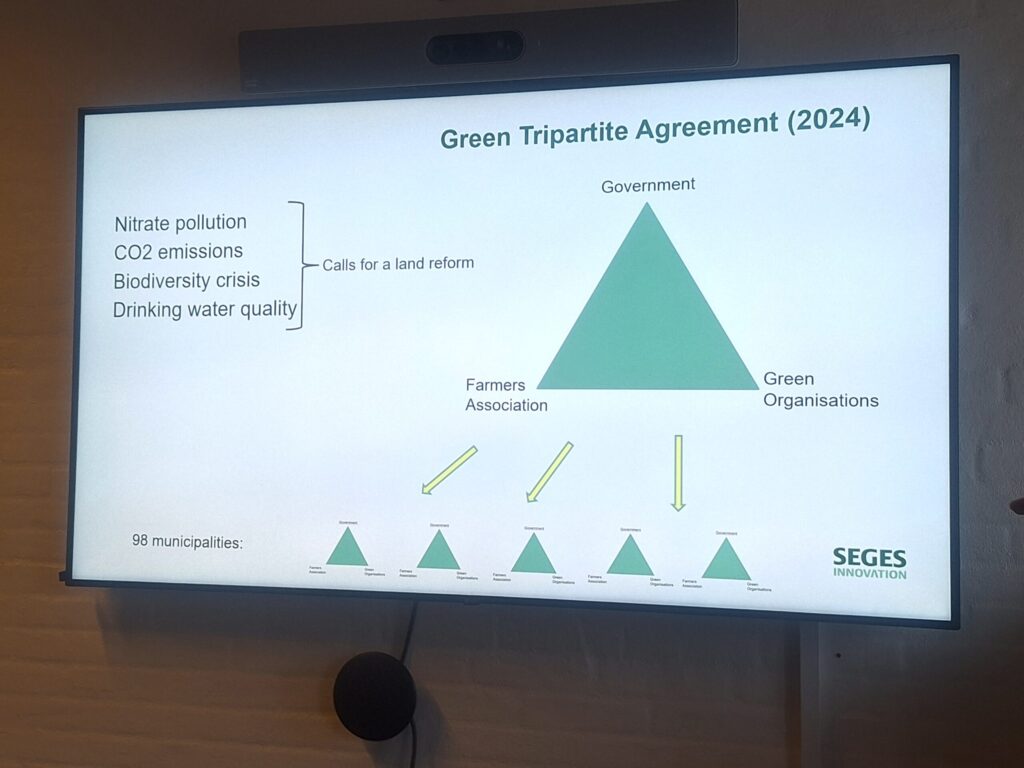
One key takeaway was how the system holds together: trust in evidence, respect for expertise and a shared sense of purpose. This alignment makes it possible to create solutions that work not just for individuals, but for the wider system.
As we found ourselves saying more than once: where there is a will, there is a way.
Want to learn more?
Eva Kavková and Renata Knittelová have also shared reflections from the Denmark visit on their LinkedIn profiles. If you are curious to explore further, we recommend their posts.
This visit was co-funded by the European Union. The views expressed are those of the authors and do not necessarily reflect the official position of the European Union or the European Education and Culture Executive Agency (EACEA). Neither the European Union nor EACEA can be held responsible for them.